Introduction
Wound treatment monitoring is an important element of medical care that substantially impacts individuals' lifestyle. As we explore the future of wound care management, it's crucial to identify the patterns in professional training that are forming this field. With improvements in medical innovation, changing demographics, and evolving client needs, wound care specialist training has actually never been more critical.
In this article, we'll check out various aspects of wound care management, including the significance of specialized training for nurses and other medical care specialists. We'll likewise consider the different kinds of wound care training courses readily available, the value of chronic wound care management, and how these elements integrated to boost client outcomes.
The Future of Wound Care Management: Patterns in Expert Training
Specialized training in injury treatment not just gears up health care specialists with vital skills however additionally guarantees they remain abreast of the current developments in therapy procedures. As we look toward the future, it is clear that there will certainly be a higher emphasis on detailed education and learning programs focusing on complex and persistent wounds.
The Relevance of Wound Treatment Professional Training
Wound treatment specialist training is vital for several factors. To start with, it improves medical skills by offering complete expertise about numerous kinds of wounds, recovery processes, and treatment options. Second of all, experienced experts can create tailored treatment prepare for people based on their distinct demands. Finally, efficient wound care can stop complications such as infections or amputations.
Types of Wound Care Training Courses Available
There are countless wound care training courses offered for health care experts aiming to boost their skills. These courses vary from basic wound care training to sophisticated programs customized for nurses concentrating on persistent injury management.
Basic Wound Treatment Training
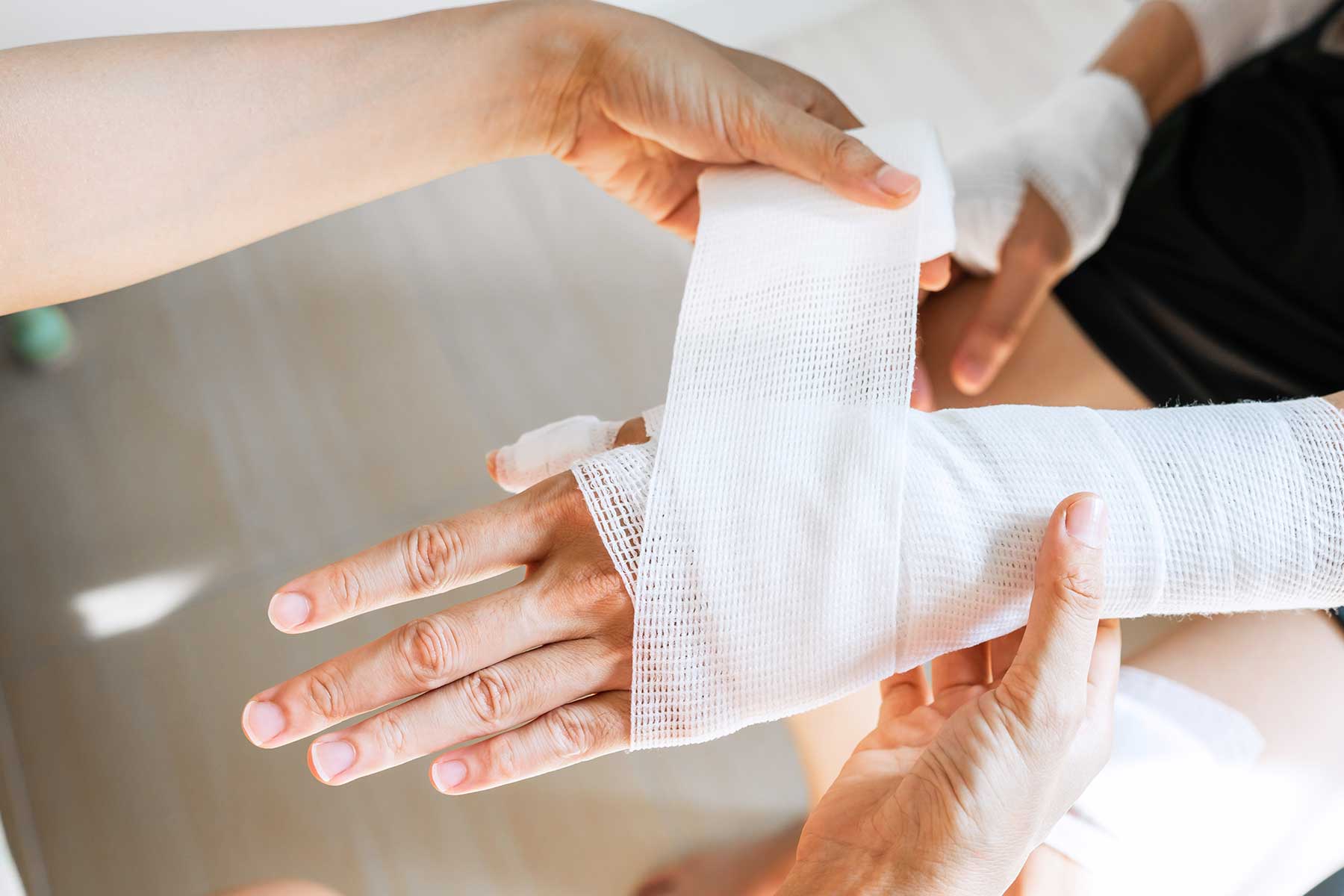
Basic wound care training typically covers basic ideas such as analyzing injuries, recognizing healing phases, and using dressings successfully. This fundamental expertise is important for all healthcare workers associated with client care.
Advanced Wound Care Courses
For those seeking more customized education and learning, progressed courses focus on complicated injury monitoring strategies. These programs often include topics like surgical interventions, advanced dressing strategies, and handling details problems contributing to chronic wounds.

Online vs. In-Person Training
With the rise of digital learning systems, several specialists currently have the choice to pick in between online and in-person training https://blogfreely.net/ripinnxixt/the-future-of-wound-care-management-patterns-in-expert-training for wound care management. Both layouts have their advantages; on the internet programs provide adaptability while in-person sessions offer hands-on experience.
Wound Treatment Registered nurse Training: Secret Components
Wound care registered nurse training incorporates various essential elements developed to prepare nursing specialists for the difficulties they might run into when looking after individuals with wounds.
Assessment Techniques
One of the main focuses throughout nursing wound care training is establishing robust assessment skills. Nurses must find out just how to review a client's total health standing together with their details wound characteristics.
Treatment Protocols
Understanding therapy methods is an additional key element of nursing education and learning related to wound administration. Nurses have to end up being acquainted with various clothing products and methods suitable for different types of wounds.
Chronic Wound Care Management: An Expanding Need
Chronic wounds present significant challenges within medical care systems internationally. As our population ages and persistent conditions come to be extra common, there's a boosting need for specialized expertise in managing lasting wounds effectively.
Identifying Chronic Wounds Early
Early identification can considerably influence therapy outcomes for individuals dealing with persistent wounds. Doctor have to be trained to recognize indicators indicating a possible chronic condition very early on.
Evidence-Based Practices in Persistent Wound Management
Incorporating evidence-based methods into persistent wound management is critical for achieving optimum outcomes. Educating programs focused on research-backed methodologies can equip nurses and professionals alike with the devices needed to boost patient results.
NDIS Injury Treatment: An Arising Focus Area
The National Special needs Insurance Plan (NDIS) highlights customized support plans for individuals with handicaps-- consisting of those needing specialized injury treatment services. This development highlights a growing recognition that customized strategies result in much better wellness outcomes.
Training Requirements Under NDIS Guidelines
Understanding the particular needs under NDIS standards will certainly be crucial as even more experts enter this area-- ensuring they are outfitted with adequate expertise relating to plans around funding and service distribution pertaining to facility injury needs.
Emphasizing Interdisciplinary Partnership in Wound Management
Effective wound treatment usually calls for collaboration amongst various techniques within health care settings-- from medical professionals focusing on dermatology or surgical procedure down with nursing team educated specifically around finest practices relating to acute/chronic injuries endured by individuals with time throughout multiple settings (i.e., home health and wellness gos to).
Building Reliable Interaction Skills Amongst Teams
Healthcare teams require solid interaction skills to function effectively together while taking care of individuals' varied needs throughout therapy processes-- this consists of sharing understandings amassed from evaluations performed previously so every person continues to be educated regarding development made along each stage leading up in the direction of total resolution!
FAQs regarding Wound Care Management and Training
1. What credentials do you require to end up being a wound treatment specialist?
To end up being a licensed injury care professional (CWCS), people commonly require an energetic nursing license together with completion of specialized coursework-- often needing passing an assessment carried out by accredited companies like the National Partnership of Wound Treatment & & Ostomy (NAWCO).
2. The length of time does it take to complete a basic wound care training course?

3. Are online courses as reliable as traditional classroom settings?
Both formats have benefits! While hands-on technique found throughout typical classrooms fosters instant comments & & peer communication-- on-line platforms allow customers access products at any time they want fostering personalized learning experiences favorable in the direction of specific rate preferences!
4. How usually ought to nurses undergo extra training associated especially towards complex/chronic injuries?
Normal proceeding education and learning opportunities exist making sure recurring professional growth amongst existing professionals interested keeping up-to-date about technologies occurring within field locations affecting medical method environments regularly!
5. What role does modern technology play within contemporary methods bordering effective therapies used here?
Innovation continues developing swiftly forming approaches used daily allowing quicker evaluations via telehealth alternatives or making use of smart devices tracking recovery progress remotely supplying real-time data obtainable by multidisciplinary teams working together very closely together enhancing outcomes overall!
6. Exists financial support offered covering prices associated seeking advancing one's education and learning around this specialized area?
Yes! Numerous medical facilities provide repayment programs spending back right into labor force advancement promoting job improvement possibilities offered while seeking qualifications related particularly around specialized skill sets linked straight influencing enhanced individual results seen over time continually across populations served!
Conclusion
As we venture into the future landscape surrounding efficient techniques used worrying both acute/chronic issues pertaining especially towards managing complex circumstances developing from injuries received with time-- the need ends up being even more clear: investing greatly along with devoted sources targeted at advertising higher degrees proficiency among medical professionals involved can not be overstated!
The Future of Wound Care Management: Fads in Expert Training shows just how vital it is currently more than ever prior to having appropriately educated personnel ready take on these obstacles head-on making certain quality-driven methods continue to be center top priorities influencing successful end results attained collectively through teamwork effort applied vigilantly across all industries involved!